
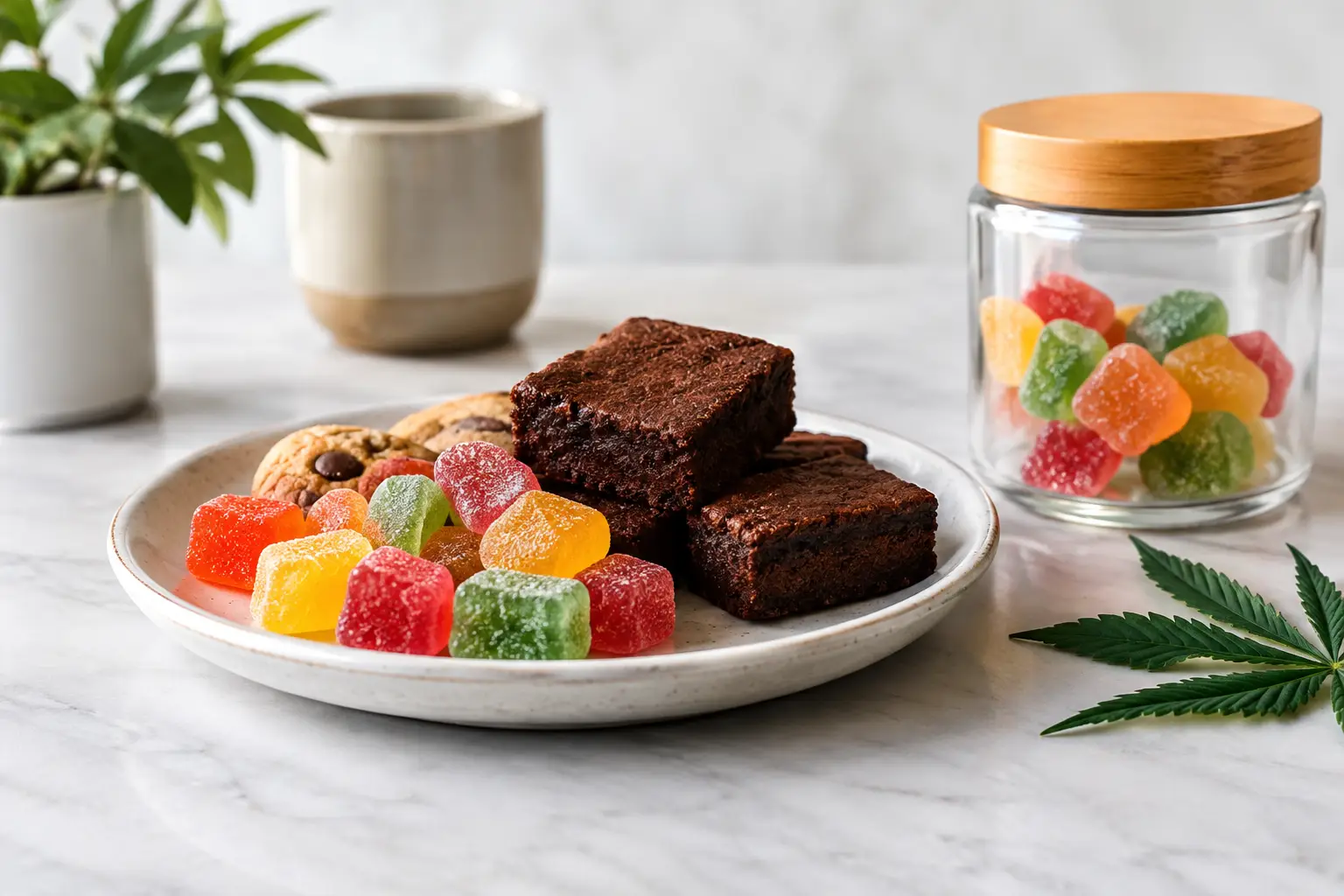
A 5 mg THC gummy can look like a small decision. Four hours later, it may still be affecting your coordination, judgment, and ability to drive. So, how long do edibles last? For many adults, noticeable effects last about 4 to 8 hours, but the full timeline can stretch longer depending on the dose, product, meal timing, metabolism, and individual tolerance.
Edibles do not follow the same clock as inhaled cannabis. When THC is eaten, it moves through the digestive system and liver before entering circulation. That slower route is why an edible may take time to work, why its effects can feel more intense than expected, and why taking more too soon is one of the most common avoidable mistakes.
How long do edible effects last?
Most THC edibles begin producing effects in 30 minutes to 2 hours. A peak often arrives around 2 to 4 hours after consumption, and the main effects may continue for 4 to 8 hours. Some people, especially those using higher doses, may feel residual drowsiness, slowed reaction time, or mental fog into the next day.
The difference is metabolism. The liver converts delta-9 THC into 11-hydroxy-THC, a compound that can cross into the brain efficiently and may contribute to an effect that feels stronger or longer-lasting for some people. That does not mean every edible experience will be intense, but it does mean a familiar inhaled dose is not a useful benchmark for an edible.
A low-dose edible may be subtle and relatively brief. A product containing 10 mg THC can be substantial for a new or occasional consumer. Higher-dose products, multiple servings, or products eaten after a large meal can extend the experience. CBD may change how a person experiences a THC product, but it should not be treated as a guaranteed antidote to impairment or overconsumption.
A practical edible timeline
A typical timeline looks like this: effects may start between 30 minutes and 2 hours, continue building for another hour or two, peak around the 2-to-4-hour mark, then taper gradually. It is not unusual to feel affected for 6 hours after a dose, particularly with chocolates, baked goods, capsules, or other products that digest slowly.
Beverages, tinctures, and products formulated for faster absorption can come on sooner. Their labeling may use terms such as fast-acting or nano-emulsified. Faster onset does not eliminate the need for caution. Product claims, testing standards, and serving guidance vary by state and manufacturer.
What changes how long edibles last?
There is no universal edible timeline because the person and the product both matter. Body size alone does not reliably predict the experience. A person’s tolerance, recent cannabis use, genetics, digestive health, prescription medications, and whether they have eaten can all play a role.
Food is a major variable. Taking an edible on an empty stomach may lead to a quicker or less predictable onset for some people. Taking it with a meal, particularly one containing fat, can delay onset while potentially affecting absorption. Alcohol is another complication. Combining alcohol and THC can increase impairment and make it harder to judge how affected you are.
Dose matters most. In regulated adult-use markets, 5 mg THC is often considered a cautious starting point for cannabis-naive adults, while 2.5 mg may be more appropriate for people who are especially sensitive or simply prefer a gentler experience. Experienced consumers may use more, but tolerance can change after a break, illness, medication changes, or shifts in frequency of use.
The practical rule remains: start low, go slow. Wait at least 2 hours before considering another dose, and longer if the product label advises it. Do not stack doses because the first serving seems inactive after 30 or 60 minutes.
How long do edibles stay fresh?
Effect duration and product freshness are different questions. An edible may remain safe or usable past the date on its package, but potency, texture, flavor, and ingredient quality can decline over time. The best guide is the manufacturer’s expiration or best-by date, along with the storage directions on the label.
Gummies and hard candies generally keep longer than baked goods because they contain less moisture. Chocolates can develop a pale surface known as bloom when exposed to temperature changes. That may be a quality issue rather than a safety issue, but a rancid smell, mold, unusual texture, leaking package, or obvious discoloration is a reason to discard the product.
Homemade edibles need the same food-safety treatment as the non-cannabis version. A brownie, cookie, or infused butter has a much shorter storage window than a sealed, commercially packaged gummy. Refrigerate or freeze perishable homemade items in clearly marked containers, and do not rely on THC content to preserve food.
Store edibles like medicine, not candy
Keep cannabis edibles in their original child-resistant packaging whenever possible. Store them in a cool, dark, dry place away from direct sunlight and heat. Heat can soften gummies, melt chocolate, and degrade cannabinoids over time. Humidity can damage candies and encourage spoilage in products with more moisture.
Most importantly, secure edibles where children, pets, and unsuspecting adults cannot access them. Packaging can be confusingly familiar, particularly when products resemble ordinary snacks. Accidental ingestion can require urgent medical attention, especially for children and animals. If a child or pet consumes a cannabis product, contact Poison Control, a veterinarian, or emergency services as appropriate.
How long can edibles be detected in the body?
Detection windows are not the same as feeling high. A person may no longer feel impaired while THC metabolites remain detectable in urine, blood, saliva, or hair for varying periods. The testing method, frequency of use, dose, individual metabolism, and laboratory cutoff all affect the result.
For occasional use, urine tests may detect cannabis for several days. With frequent or heavy use, detection can extend for weeks or longer. Blood and saliva testing often have shorter windows, though those windows are not fixed. Hair testing can reflect exposure over a much longer period, but it is not designed to show current impairment.
No home remedy, detox drink, or timing trick can reliably guarantee a negative test. If workplace testing, probation, medical treatment, or a legal matter is involved, assume the consequences can be significant and seek qualified guidance rather than relying on marketing claims.
Safety after taking an edible
Do not drive, operate machinery, bike in traffic, or make safety-sensitive decisions while under the influence. A longer edible experience can create a false sense of security once the strongest effects fade. If you still feel slowed, sleepy, anxious, dizzy, or unfocused, your safest choice is to wait.
If an edible feels stronger than expected, stay in a calm, familiar setting. Drink water, avoid alcohol and additional cannabis, eat a light snack if it feels comfortable, and ask a trusted sober adult to stay nearby. Anxiety, a rapid heartbeat, and disorientation can be frightening, but they often improve with time and a lower-stimulation environment.
Seek emergency care for severe symptoms such as chest pain, trouble breathing, loss of consciousness, seizures, persistent vomiting, or behavior that creates an immediate safety risk. Cannabis is not appropriate for everyone, and adults who are pregnant, have a history of psychosis, or take medications that may interact with cannabinoids should speak with a qualified healthcare professional first.
Edibles can be a measured option when the label is clear and the dose is modest. The real skill is not trying to make the experience arrive faster. It is giving the product enough time, protecting the people around you, and planning for a longer night than the package may seem to promise.