
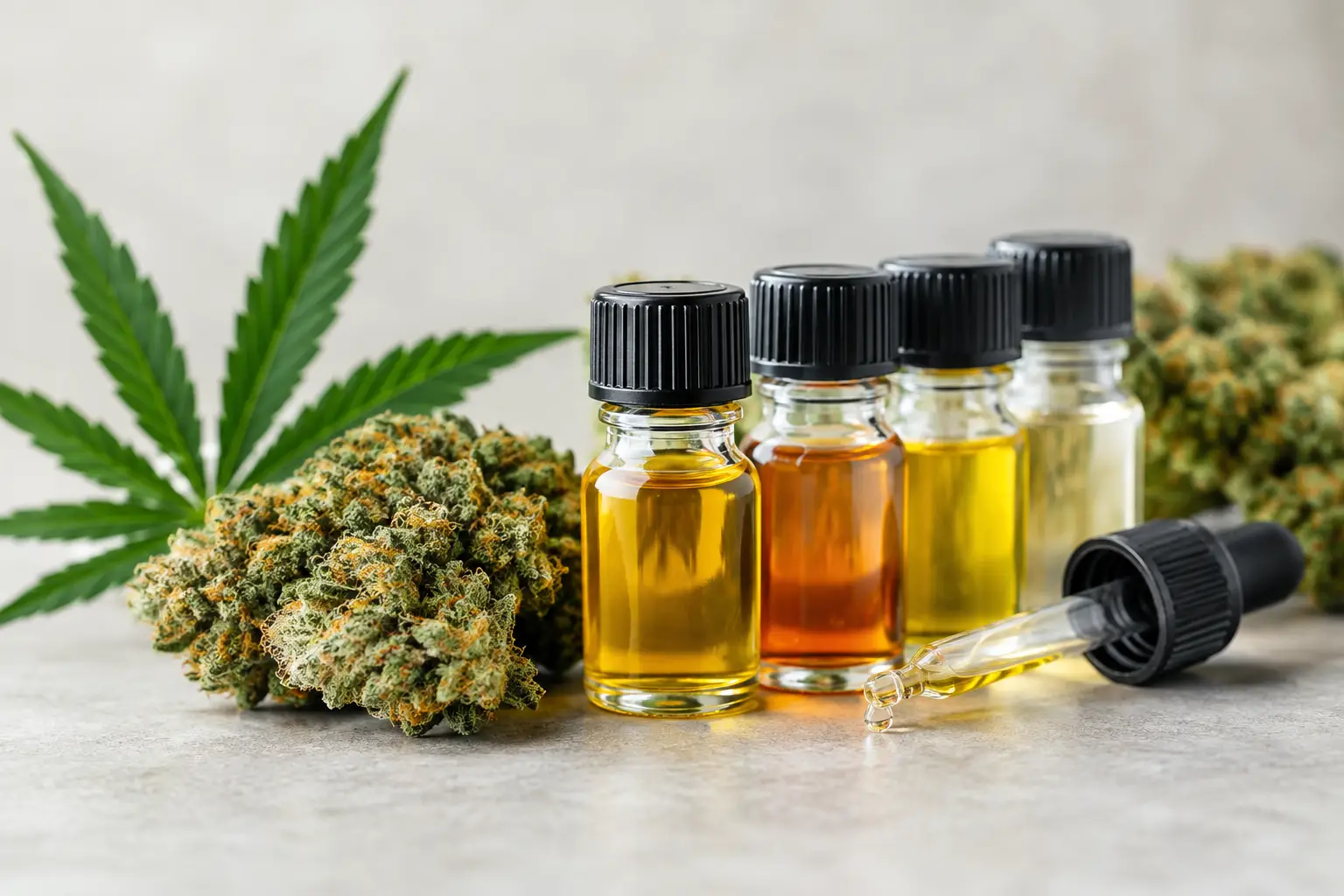
A jar of cannabis can smell like citrus peel, pine needles, black pepper, or ripe fruit long before it is opened. What are cannabis terpenes? They are the aromatic compounds behind many of those scents and flavors. They occur throughout the plant world, not just in cannabis, and they have become a major part of how consumers compare flower, vapes, concentrates, and infused products.
Terpenes are useful context, but they are not a shortcut to predicting exactly how a product will feel. A label that says “myrcene” or “limonene” can help describe a product's chemistry and sensory profile. It cannot guarantee relaxation, energy, sleep, pain relief, or any other outcome for every person.
What Are Cannabis Terpenes, Exactly?
Terpenes are volatile organic compounds produced by cannabis and many other plants. They are concentrated in the resin glands, called trichomes, that also produce cannabinoids such as THC and CBD. When you smell cannabis, terpenes are doing much of the work.
Cannabis makes hundreds of compounds, and a given cultivar may contain dozens of detectable terpenes. The dominant few usually receive the most attention on product labels and lab reports. Their concentrations can vary based on genetics, growing conditions, harvest timing, curing, storage, and processing.
That variability matters. Two products sold under the same strain name can have different terpene profiles, cannabinoid levels, and effects. Strain names remain useful cultural and commercial shorthand, but a current certificate of analysis, when available, offers a more specific snapshot of what is in a particular batch.
Common terpenes you may see on a label
Myrcene is often associated with earthy, musky, or clove-like aromas. It is common in cannabis as well as hops, lemongrass, and mangoes. Limonene tends to smell citrus-forward and is also found in citrus rinds. Pinene can bring a pine or rosemary-like aroma, while beta-caryophyllene is often described as peppery, woody, or spicy.
Other frequently listed terpenes include linalool, which can smell floral or lavender-like, and humulene, which may read as earthy or hop-like. These descriptions are sensory clues, not effect promises. A product can contain limonene without tasting like lemonade, especially when other terpenes and processing methods shape the final profile.
Why Terpenes Matter to Cannabis Consumers
The clearest role of terpenes is flavor and aroma. They help explain why one flower product smells bright and citrusy while another is pungent and fuel-like. For consumers who dislike a particular taste, terpene information can be more practical than an indica, sativa, or hybrid label.
Terpenes may also influence the overall subjective experience of cannabis, but the science is more complicated than many product menus suggest. Cannabis effects reflect a moving set of variables: THC and CBD levels, minor cannabinoids, terpene concentrations, dose, route of use, tolerance, mindset, setting, and individual biology.
The popular term “entourage effect” describes the idea that cannabis compounds may work differently together than they do alone. It is a plausible area of research, and interactions among plant compounds are worth studying. However, human clinical evidence is still limited, and it does not support treating a terpene profile as a reliable prescription for mood, sleep, anxiety, or pain.
That distinction is especially relevant for wellness claims. Some terpenes have shown biological activity in laboratory or animal research. That does not automatically establish that inhaling or eating a terpene-rich cannabis product will produce the same effect in people, at the dose consumed, in the presence of THC, or for a specific health condition.
Terpenes and the Limits of “Indica vs. Sativa”
For decades, many consumers used indica to mean sedating and sativa to mean energizing. Those categories can still help people navigate menus, but they are not dependable scientific predictions of effect. Modern commercial cannabis has extensive hybridization, and names alone do not tell you the full chemical profile.
Terpenes provide more detail than a broad category, though they still do not tell the whole story. A flower labeled as a sativa may test high in myrcene. An indica-labeled product may have a citrus-heavy profile. THC potency, dose, and personal response can matter more than a single dominant terpene.
A more useful approach is to track your own experience with specific products. Note the product type, THC and CBD amount, listed terpenes, dose, time of day, food intake, and how you felt afterward. Over time, that record is more informative than relying on a strain name or a viral terpene chart.
How Terpenes Change From Plant to Package
Terpenes are delicate. Heat, light, oxygen, and time can reduce or alter them, which is one reason an older product may smell flat compared with fresh flower. Improper storage can also dry out flower and weaken its aroma.
Curing is part of the picture. A careful cure can help preserve desirable aroma compounds and improve smoke quality, while rushed drying or poor storage may compromise the finished product. Extraction methods matter as well. Some concentrates preserve more of the plant's original terpene profile than others, while some vape products use added botanical terpenes to create or restore flavor.
“Cannabis-derived terpenes” generally come from cannabis. “Botanical terpenes” come from other plants, such as citrus, pine, or lavender. Neither label alone tells you whether a product is better or safer. What matters is the full formulation, manufacturing controls, contaminant testing, and how the product is intended to be used.
How to Read a Terpene Label Without Overreading It
If a dispensary label or lab report lists terpenes, start with the total terpene percentage and the top few compounds. This can give you a sense of aroma intensity and likely flavor direction, particularly for flower and full-spectrum extracts.
Then put the numbers beside cannabinoid content. A product with 28% THC and 1% total terpenes may feel very different from one with 16% THC, meaningful CBD, and 3% total terpenes, even if both list limonene first. The numbers describe chemistry, not a guaranteed outcome.
For a first-time purchase, choose a modest-potency product from a licensed source where legal, and avoid trying to solve every preference at once. If you are cannabis-curious, lower-THC options can make it easier to notice how a product affects you without getting uncomfortably high.
A practical safety check
Start low and go slow, especially with edibles. Inhaled products act faster, but taking repeated hits too quickly can still lead to an unpleasant experience. Edibles may take two hours or longer to reach full effect, depending on the product and the person.
Avoid driving, mixing cannabis with alcohol or other impairing substances, and leaving products where children or pets can access them. Adults 21 and older should follow applicable state and local laws. People who are pregnant, have a history of psychosis, take medications, or are managing a medical condition should speak with a qualified healthcare professional before using cannabis.
Are Terpenes Safe on Their Own?
“Natural” does not mean risk-free. Terpenes are widely used in foods, fragrances, and consumer products, but safety depends on concentration, route of exposure, product quality, and the individual. A compound that is appropriate in a food flavoring is not automatically appropriate to inhale in a concentrated vapor formulation.
Cannabis products from regulated markets may be tested for certain contaminants, but testing requirements vary by state. Read the label, buy from legal sources where available, and be cautious with unverified cartridges or concentrates. Strong odors and appealing flavor descriptions should never substitute for transparent manufacturing and laboratory information.
Terpenes make cannabis more legible: they offer a vocabulary for scent, flavor, freshness, and product comparison. Use that vocabulary as one part of an informed choice, not as a promise printed on a package. The best next step is simple: choose carefully, use a measured dose, and pay attention to how your own body responds.