
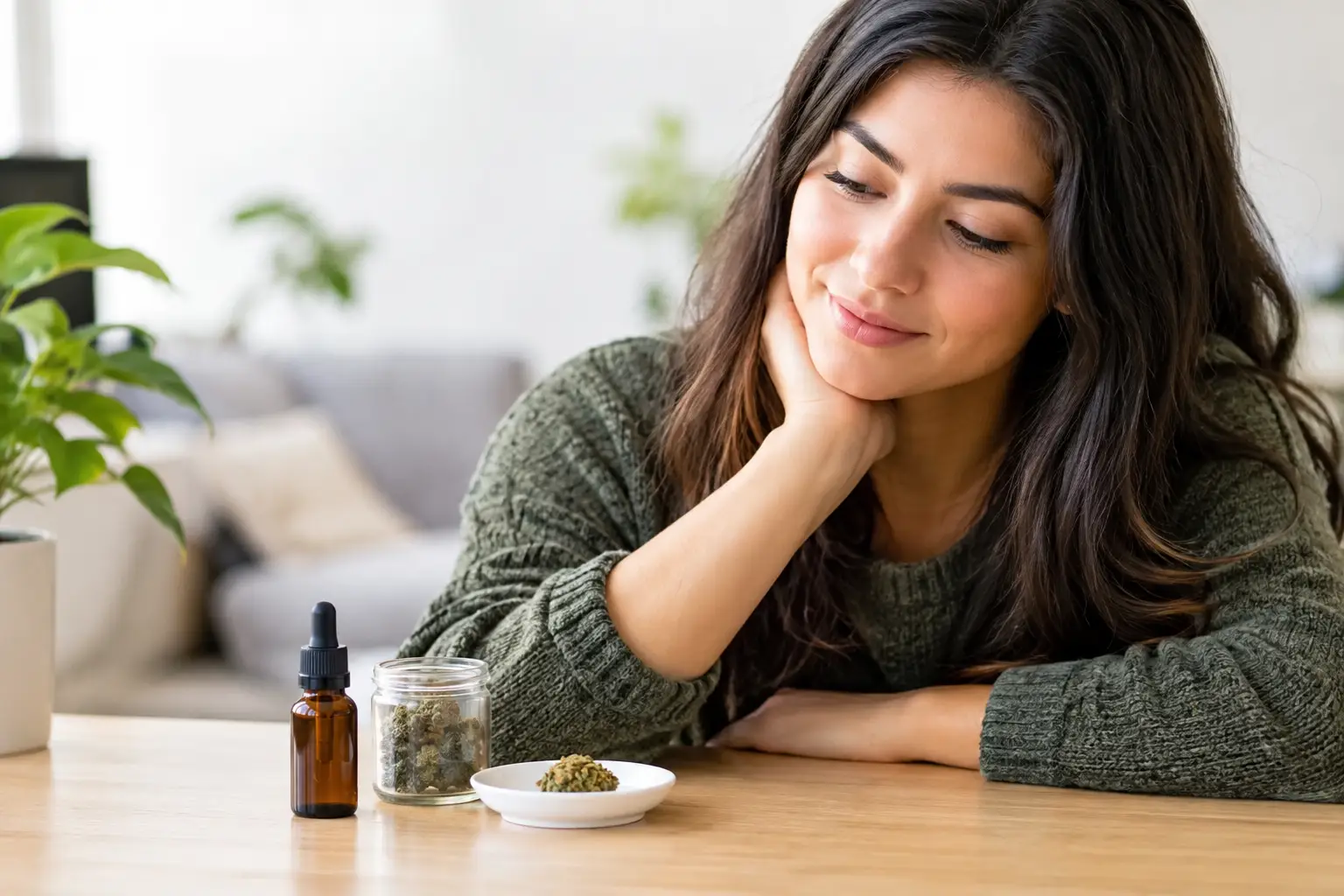
A package labeled “10 mg THC per gummy” can look straightforward. For a first-time consumer, that single number can be the difference between a manageable introduction and several uncomfortable hours. The practical answer to how much THC for beginners is usually less than people expect, especially with edibles.
For adults 21 and older in places where cannabis is legal, the safest general rule is simple: start low, go slow, and avoid treating a friend’s tolerance as your benchmark. THC affects people differently based on product type, body chemistry, recent food intake, medications, experience, and the setting itself.
How Much THC Should Beginners Start With?
For most beginners, a low THC dose means about 1 to 2.5 milligrams of THC when using an edible. If that sounds tiny compared with a standard 5 mg or 10 mg serving, that is the point. You can take more on another day. You cannot quickly undo a dose that feels too strong.
With inhaled cannabis, dosing is less precise because the amount absorbed varies by device, flower potency, inhalation style, and how long someone holds vapor or smoke. A cautious first approach is one small puff, then waiting at least 10 to 15 minutes before deciding whether to take another. There is no need to finish a joint, bowl, or vape session because it is open or available.
The goal is not to chase the strongest possible effect. For a beginner, the useful first experience is one that leaves enough mental clarity to notice how THC feels and enough comfort to make good decisions.
A practical starting-dose reference
| Product type | Conservative beginner starting point | When to reassess | |---|---:|---| | Edible, drink, tincture swallowed | 1 to 2.5 mg THC | At least 2 hours, preferably longer for a first trial | | Fast-acting edible or sublingual product | 1 to 2.5 mg THC | Follow the label, often 30 to 60 minutes | | Flower | One small puff | 10 to 15 minutes | | Vape | One small puff | 10 to 15 minutes |
Labels matter, but they are not perfect predictors. State-regulated products are generally subject to testing and packaging rules, yet potency can still vary and the same labeled dose can feel different from one person to another. Hemp-derived THC products deserve extra caution: rules, testing standards, and labeling practices vary substantially by state and product category.
Why Edibles Require More Patience
Edibles are where many first-time dosing mistakes happen. THC that is inhaled enters the bloodstream through the lungs and may be felt within minutes. THC that is swallowed must move through the digestive system and liver first. The liver converts some THC into 11-hydroxy-THC, a metabolite that can feel more intense or longer-lasting for some people.
A typical edible may take 30 minutes to two hours to begin working, and the full effect can take longer. A meal, individual metabolism, and the specific formulation can all change the timeline. That delay creates the classic problem: someone feels nothing after 45 minutes, takes another serving, and then both doses arrive close together.
For a first edible experience, take the dose only when you have no driving, work, caregiving, or major obligations ahead. Plan for the possibility that effects could last six hours or more, with lingering tiredness or mental fog after the peak has passed. Avoid alcohol and other intoxicants. Combining substances makes effects harder to predict and can increase impairment, nausea, dizziness, and anxiety.
Potency Is Not the Same as Dose
A strain or product with 25% THC is potent, but that percentage alone does not tell you how much THC you will consume. Dose depends on how much material is used and how it is consumed.
For example, flower testing at 20% THC contains roughly 200 mg of THC per gram before losses from combustion and incomplete absorption. That does not mean a consumer absorbs 200 mg from a gram, but it shows why “just smoke some” is vague advice. One small inhalation is meaningfully different from smoking an entire high-potency pre-roll.
Vapes can be particularly easy to overuse because they are convenient and may feel smoother than smoke. Smoothness is not a measure of strength. Concentrates, high-potency cartridges, dabs, and products marketed around very high THC percentages are generally poor starting points for beginners.
Cannabinoids and terpenes may shape the overall experience, but they do not cancel out an excessive THC dose. CBD may soften certain subjective effects for some people, but it is not a reliable antidote to taking too much THC. Treat a THC-CBD blend as a cannabis product that still requires cautious dosing, not as a risk-free option.
Choose the Setting Before You Choose the Dose
Your surroundings can influence whether a mild high feels pleasant or overwhelming. A first session is best approached in a familiar, low-pressure environment with people you trust, or with a sober friend available by phone. Public events, crowded parties, and unfamiliar settings add stimulation at the exact moment you are trying to learn your response.
Have water nearby and eat normally beforehand if you are using an edible. Hydration will not sober someone up, but thirst, hunger, and low blood sugar can make discomfort feel worse. Keep the product secured away from children, pets, and anyone who cannot legally use it. Edibles are especially easy to mistake for ordinary candy or baked goods.
Do not drive, bike in traffic, operate machinery, or make a plan to “wait until I feel normal.” THC can impair reaction time, coordination, judgment, and attention even when someone feels relatively composed. State cannabis laws also do not override workplace policies, federal restrictions, or rules that apply to certain licenses and safety-sensitive jobs.
When a Lower Dose Is the Better Choice
Some people should be more conservative than the standard beginner advice, and some should avoid THC unless a qualified clinician says it is appropriate. Start especially low, or seek medical guidance first, if you have a personal or family history of psychosis, schizophrenia, bipolar disorder, panic disorder, significant heart disease, or problematic substance use.
The same caution applies if you are pregnant, breastfeeding, or taking prescription medicines that can cause sedation or affect mood, heart rate, blood pressure, or liver metabolism. Cannabis can interact with medications, and online dosing advice cannot account for an individual health history.
Age matters too. This guidance is for adults 21 and older. Brain development continues into young adulthood, and legal access rules vary by state. A legal purchase is not the same thing as a universally appropriate choice.
What to Do If THC Feels Too Strong
An uncomfortable THC experience can feel alarming: racing thoughts, a fast heartbeat, dry mouth, nausea, dizziness, paranoia, or the sense that time has slowed down. These sensations usually pass, but they deserve a calm, practical response.
Stop using cannabis and do not add alcohol, caffeine, or other substances. Move to a quiet, familiar place, sit or lie down safely, take slow breaths, sip water, and ask a trusted sober person to stay with you. Remind yourself that the feeling is temporary. For edibles, patience is often the main intervention.
Call emergency services or seek urgent medical care for chest pain, trouble breathing, fainting, severe confusion, uncontrolled vomiting, dangerous behavior, or symptoms that could indicate another medical problem. Do not assume every serious symptom is “just cannabis.” If a child or pet consumes THC, contact poison control or veterinary emergency care promptly.
Build Tolerance Slowly, Not by Accident
If 1 to 2.5 mg of an edible felt mild and comfortable, do not automatically double the dose on the same day. Wait for a separate occasion and consider increasing in small steps, such as another 1 to 2.5 mg. Keeping a simple note about product type, THC amount, onset, duration, and effects can be more useful than relying on memory.
Tolerance can develop with frequent use, which may lead people to consume more THC for the same effect. Higher tolerance does not remove impairment or eliminate risks. Taking breaks, choosing lower-potency products, and being honest about why you are using cannabis can help keep use intentional rather than automatic.
The best first dose is rarely the one that produces the biggest story. It is the one that lets you learn your response, protect your safety, and decide with a clear head whether THC belongs in your routine at all.